2026-10-16 ·
How to Check Your Rimforest Home for Hidden Smoke Damage
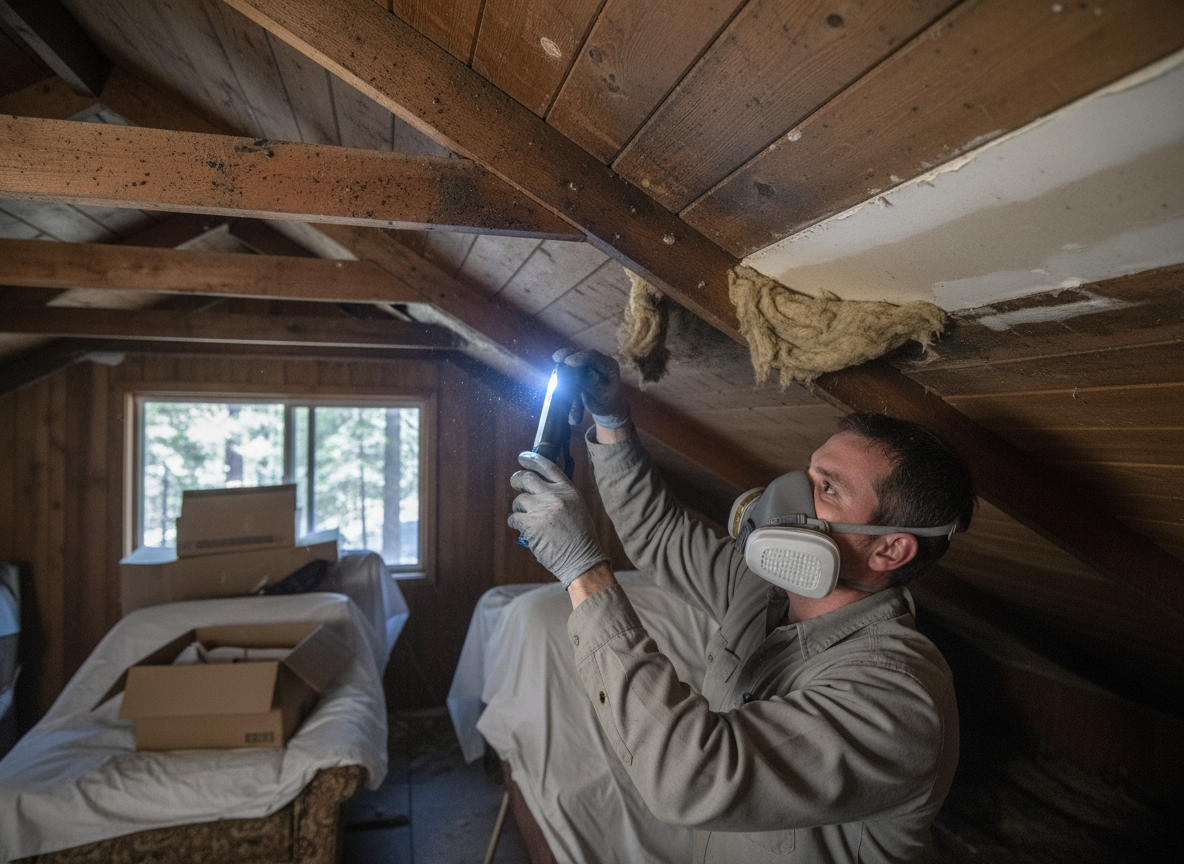
To check your Rimforest home for hidden smoke damage, start with a systematic inspection of attics, behind walls, and HVAC components where soot travels through the mountain winds common in San Bernardino County. Rimforest properties near Lake Arrowhead frequently feature older wooden construction that allows smoke to penetrate deeply into insulation and framing. Winter snowfall can trap particles until spring melt, making early detection essential before odors intensify.
Examining Attics and Enclosed Spaces
Rimforest homes built decades ago often have vented attics that pull in smoke during wildfires or structure fires. Climb into the attic with a bright flashlight and check for gray or black residue on rafters, insulation, and electrical boxes. Pay special attention to areas around chimneys and roof vents where negative pressure draws particles upward. Snow accumulation on roofs can slow air exchange and keep soot suspended longer, increasing the chance it settles into crevices. If you notice a persistent acrid smell that worsens when the heater runs, document the locations with photos before contacting professionals for smoke remediation.
Inspecting HVAC and Ductwork
Central heating systems in Rimforest circulate air through ducts that can carry smoke particles throughout the house after a fire. Turn off the system and remove vent covers to look for fine black dust or oily films on registers and inside the first few feet of duct. Filter changes every 30 days during winter months help reveal buildup that might otherwise stay hidden under layers of normal dust. Homes near Lake Arrowhead experience temperature swings that cause expansion and contraction, loosening soot from duct walls. Persistent smells from vents after the first snowfall often indicate trapped residue that requires specialized cleaning beyond standard filter replacement.
Checking Walls, Ceilings, and Insulation
Drywall in Rimforest homes can absorb smoke odors through microscopic pores, especially in older structures common throughout San Bernardino County. Tap walls lightly and note any discoloration or soft spots behind baseboards and around electrical outlets. Lift corners of carpet or peel back vinyl flooring to inspect subfloors where smoke settles during low winter air pressure. Insulation in exterior walls often holds particles that only become noticeable when moisture from melting snow interacts with residue. These hidden layers frequently require removal rather than surface cleaning to eliminate long-term odor issues.
Using Professional Tools and Timing
Homeowners can use inexpensive moisture meters and UV flashlights to spot smoke residue that normal lighting misses in dim mountain homes. Schedule checks during the first warm spell after winter snowfall, when trapped particles become more volatile and easier to detect by smell. Document findings with dated photos and notes on which rooms show the strongest indicators. Factors such as fire proximity, wind direction during the event, and home age all influence how deeply smoke penetrates in Rimforest properties. For thorough assessment, review details on factors that affect fire cleanup timing for Rimforest properties before deciding on next steps.
When to Call for Specialized Help
If visual checks reveal widespread discoloration or odors persist after basic ventilation, contact a local team for odor removal after fire. Technicians familiar with San Bernardino County mountain conditions can test air quality and identify contamination in places homeowners cannot safely reach. Early intervention prevents secondary issues like corrosion on metal fixtures common in older Rimforest homes. Avoid DIY ozone machines, which can damage surfaces without addressing the source. Professional evaluation ensures hidden damage is mapped accurately before restoration begins.